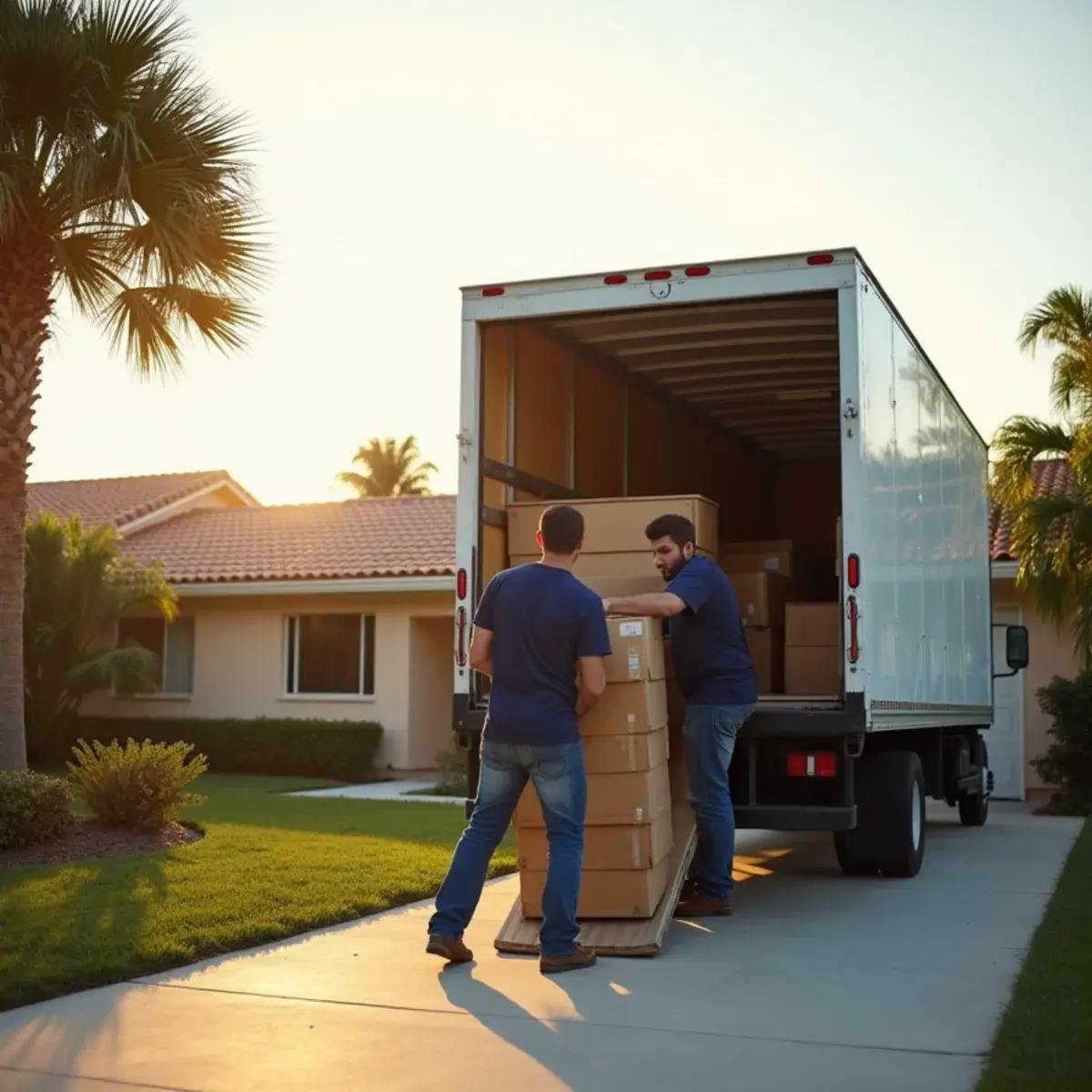
Long distance movers working out of Pompano Beach, FL handle two very different jobs under two different rulebooks. A move that stays in Florida, say to Orlando, Tampa or Jacksonville, falls under state law. A move that crosses a state line falls under federal law. Pompano Go Movers is the first call for both: we ask where you are going and when, then match you with a mover whose registration fits the trip.
A lot of long-distance work on this coast is seasonal. Owners close up a condo on A1A in spring and head back to New York, New Jersey or Michigan; others sell up north and bring a household down for good. Either way, three things protect you: who the carrier is, how the estimate is written, and which coverage you choose for your belongings.
In-state vs out-of-state moves: two sets of rules
Where the truck ends up decides which regulator stands behind your move and what paperwork you should expect.
| What differs | Within Florida (intrastate) | To another state (interstate) |
|---|---|---|
| Regulator | Florida Department of Agriculture and Consumer Services (FDACS), under Chapter 507, Florida Statutes | Federal Motor Carrier Safety Administration (FMCSA) |
| What the mover needs | Registration with FDACS | A USDOT number and MC operating authority |
| Paperwork before loading | A written estimate and a written contract | A written estimate (binding or non-binding), an order for service and a bill of lading |
Broward County's Consumer Protection Division separately licenses movers operating in the county, which matters for the local end of the job. Our guide to verifying a mover in Florida and Broward County walks through each lookup.
When to book long-distance movers, and when a container makes more sense
Long-distance movers are worth calling the week one of these lands on your calendar:
- A job start date in another city. The employer sets the date, and the household has to arrive before the first day.
- A sale and a purchase that have to line up. Selling in Pompano Beach and closing in Orlando or Charlotte leaves a gap the delivery window or storage in transit must cover.
- A seasonal owner going full time. Bringing everything down for good, or emptying the Florida condo after a last season.
- A parent moving closer to family. Often arranged by phone by an adult child who already lives at the destination.
Not every long move needs a full-service carrier. For a small, sturdy load and an owner willing to drive, a rental truck or a moving container with hired help can work. Our labor-only loading help covers the Pompano end; the trade-off is that the driving and the risk on the road are yours.
Moves within Florida from Pompano Beach: Orlando, Tampa, Jacksonville and the Gulf coast
Typical in-state long hauls from this coast: retirees moving closer to grandchildren in the Tampa Bay area, families relocating for work in Orlando, a condo owner trading the Atlantic for the Gulf coast around Sarasota or Naples.
Florida intrastate movers must be registered with FDACS, and Chapter 507 requires a written estimate and a written contract before the mover starts work. Read both. The estimate should describe what is being moved and how the price is calculated, and the contract should match it.
A smaller household going from Pompano Beach to Orlando can sometimes be loaded, driven up the Turnpike and unloaded in one long day. Tampa, Jacksonville and the Gulf coast usually push delivery to the next day. Ask whether the same crew unloads, and where your goods spend the night.
If the new home is a condo, that building will have its own rules. The certificate-of-insurance and elevator questions on our apartment and condo movers page apply in Orlando or Tampa too.
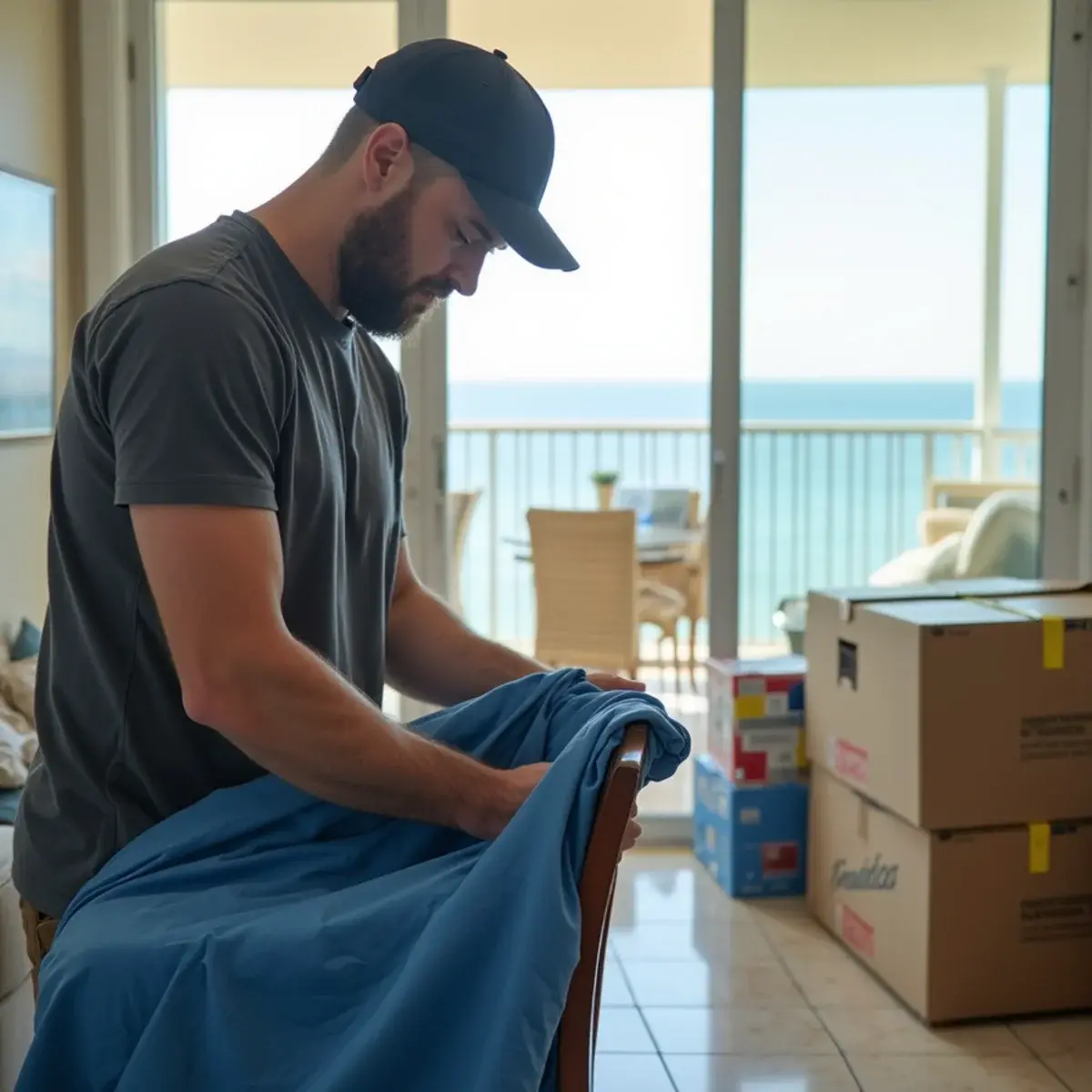
Seasonal and snowbird moves to and from the Northeast and Midwest
Snowbird season runs roughly November to April, and the coastal calendar follows it. Seasonal owners arrive in the fall and leave in spring, and in the busy months weekend moving slots can fill three to four weeks ahead.
Snowbird moves rarely involve a whole house. More often it is a partial load: a few pieces of furniture, artwork, golf clubs and twenty boxes going from a Lauderdale-by-the-Sea condo or a Hillsboro Beach unit near Lighthouse Point to a house in New Jersey or Ohio, or the reverse when someone settles in Florida full time.
Partial loads usually ride on a shared truck, which keeps the cost in line with the load but widens the delivery window. Our snowbird season moving guide covers timing around the November and April rush.
Interstate moves: why the carrier's USDOT and MC numbers matter
Any company that moves household goods across state lines for hire must be registered with FMCSA. The USDOT number identifies the company, and the MC number shows it holds operating authority. A carrier without both sits outside the federal consumer protections that interstate movers must follow.
Before you sign with any interstate movers, look up the carrier named on the estimate in the FMCSA company snapshot and check that:
- The legal name matches the name on your estimate.
- The operating status is active and the authority covers household goods.
- The address and phone number are consistent with what you were told.
- The company that will haul your goods is the one on the paperwork. If a broker arranged the move, it should tell you which carrier will do it.
Interstate carriers must also give you FMCSA's booklet, Your Rights and Responsibilities When You Move. The official Protect Your Move page has that booklet plus a list of red flags.
How long-distance pricing works: weight or volume, distance and dates
Long-distance moves are not billed like a local job. Interstate moves are generally priced on the weight of the shipment (some carriers use cubic feet), the distance and the services you add. In-state long hauls vary: some movers price by weight, some by the hour plus travel, and the written estimate tells you which.
- Shipment size: more weight or volume means more cost. Clearing things out before the estimate is the most reliable saving.
- Distance and route: Orlando is a short haul; Boston or Chicago is several days on the road.
- Dates: month-end, summer and the spring snowbird exodus are in demand, and flexible pickup dates help.
- Access: stairs, elevators, long carries, and a shuttle truck where a tractor-trailer cannot reach the door.
- Packing: full packing or fragile items only. See packing services for long-distance moves.
- Valuation: full value protection costs more than the basic option.
Get the estimate after the mover has seen your things, in person or by video. A number built from a quick phone list tends to grow on moving day.
Binding and non-binding estimates
On an interstate move, the type of estimate decides how far the final bill can move.
- Binding estimate: a fixed price for the goods and services listed. You pay that amount even if the shipment weighs more than expected, though items or services you add can change it.
- Non-binding estimate: the carrier's best guess. The final bill is based on the actual weight and services, and under federal rules you can be required to pay no more than 110% of the estimate at delivery, with any balance billed later.
- Binding not-to-exceed: offered by some carriers. You pay the estimate or the actual weight-based charge, whichever is lower.
In-state Florida moves run on the written estimate and contract that Chapter 507 requires rather than these federal categories. Ask the mover how its estimate can change, and get the answer on paper.
How a long-distance move runs, step by step
A long haul has more paperwork and more handoffs than a local move. This is the order it usually runs in.
- Route and rulebook. We ask where you are going and when. In-state or interstate decides whether you need a mover registered with FDACS or a carrier with USDOT and MC numbers.
- A survey of everything going. In person or by video, including the garage, balcony furniture and anything kept off site. Items left out of the survey are where estimates grow.
- Estimate first, then the carrier check. Note which type of estimate you were given, look the carrier up yourself, and on an interstate move confirm you received the federal rights booklet before paying a deposit.
- Packing ahead of loading day. For a full home, packers often come a day early so the truck loads in one pass.
- Loading with a numbered inventory. The crew tags each piece and carton with a numbered sticker and notes its condition. Check the inventory and bill of lading, and keep your copies.
- The transit window. Get a driver or dispatcher contact, confirm the delivery window and tell the destination building.
- Delivery and check-off. Tick off each sticker number, write any damage or missing item on the delivery paperwork before you sign, and claim inside the carrier's deadline.
Delivery windows, shared loads and dedicated trucks
Long-distance carriers rarely commit to a single delivery day. The paperwork usually lists a pickup window and a delivery window of several days, depending on distance and how the load travels.
- Shared or consolidated load: your goods travel with other households. It usually costs less, with a wider window and stops along the way.
- Dedicated or exclusive-use truck: yours is the only shipment aboard and the truck heads straight to you. More predictable, at a higher price.
- Storage in transit: if the new place is not ready, some carriers can hold the shipment for a period. Ask how it is billed.
Plan to live out of a suitcase through the delivery window. Medications, documents, chargers and a few days of clothes should travel with you.
Valuation coverage: released value vs full value protection
Valuation sets how much the mover is liable for if your goods are lost or damaged. Interstate carriers must offer two levels.
- Released value: the basic level, included at no extra charge. It pays a fixed amount per pound per item, so a light but expensive item such as a TV or laptop gets very little. You have to choose it in writing.
- Full value protection: the carrier is liable for the replacement value of lost or damaged goods, up to the declared value of the shipment, and may repair, replace or pay. It costs extra, and carriers can limit liability for items of extraordinary value unless you list them.
On an in-state move, ask the mover what liability it accepts and what added coverage it offers, and make sure the answer is written into the contract.
Every mover we send is registered with the State of Florida as required and insured. For interstate trips, the carrier's federal registration is the second check, and you can confirm it yourself in a few minutes.
We take long-distance calls for moves starting anywhere in our coastal Broward service area, from Pompano Beach and Deerfield Beach to Oakland Park and Wilton Manors. For a move that stays close to home, see our local movers in Pompano Beach.
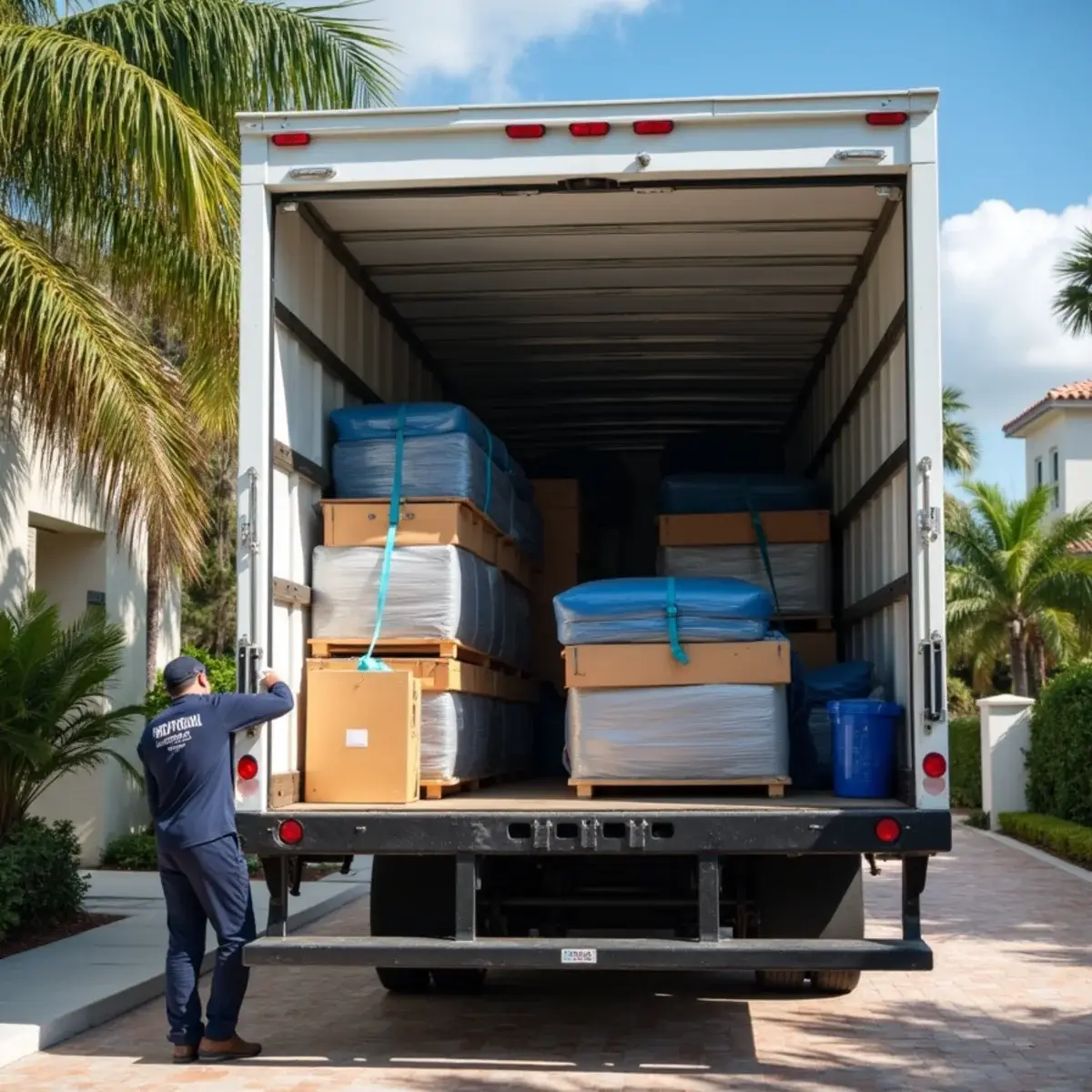
Why Pompano Beach households use Pompano Go Movers for long-distance moves
- The right registration for the trip. In-state hauls go to movers registered with FDACS and insured. When the truck crosses a state line, we walk you through confirming the carrier's USDOT and MC numbers before any money changes hands.
- The pickup building's rules covered early. A tower on A1A or a Century Village East building may want a certificate of insurance and a booked elevator before a long-haul truck can load. We raise both on the first call and remind you to ask the destination building the same questions.
- Your estimate explained before the deposit. Binding, non-binding or not-to-exceed, weight or volume: we go over what your estimate type means for the final bill, so two quotes can be compared on the same terms.
- Honest answers about April and delivery windows. When the spring snowbird exodus has the dates you want booked, or a fixed delivery day is not something a shared load can offer, we say so and help you plan around it.
- Partial loads treated as real moves. A seasonal condo's worth of furniture, art and cartons is a normal call here, and we ask about carrier minimums before you get your hopes up on a date.
Long-distance moves starting from Pompano Beach and nearby cities
Long hauls we coordinate start in Pompano Beach, from A1A condos to Cresthaven ranch houses, or in the nearby cities on our coastal Broward service areas page. Each starting point shapes the load:
- Lighthouse Point long-distance moves: whole canal-front households, where a dead-end street can decide whether the big truck reaches the door or a shuttle truck is needed.
- Deerfield Beach moves out of state: Century Village East owners heading back north or closer to family, with association approval and an elevator booking at pickup.
- Seasonal loads from Lauderdale-by-the-Sea: partial loads from small condos along A1A, timed to the spring departures.
- Oakland Park relocations: apartment and duplex households moving for work, often small enough to ride on a shared truck.
- Wilton Manors moves to other states: one-bedroom households with art, glass and design furniture that need extra wrapping or crating for a long haul.
Long Distance Movers: common questions
How far ahead should I book a long-distance move from Pompano Beach?
Aim for six to eight weeks ahead for an interstate move, and more if you are leaving at the end of snowbird season in April or in early summer. In-state moves to Orlando or Tampa can sometimes be booked on shorter notice, but popular dates still go first. Booking early leaves time for an in-person or video survey, a written estimate you can compare, and a check of the carrier's registration before you commit.
How do I check an interstate mover's registration?
Look up the carrier's USDOT number in the FMCSA company snapshot on the SAFER website and confirm it shows active operating authority for household goods. The legal name and address should match your estimate. FMCSA's Protect Your Move page lists warning signs, such as a large cash deposit or a price given without seeing your goods. For the Florida side, our guide to checking a mover's registration in Florida and Broward covers FDACS and the county license.
What is the difference between a binding and a non-binding estimate?
A binding estimate fixes the price for the items and services listed, while a non-binding estimate is a best guess that changes with the actual weight and services. With a binding estimate you pay the agreed amount even if the shipment turns out heavier, though added items or services can change it. With a non-binding estimate on an interstate move, federal rules say you can be required to pay no more than 110% of the estimate at delivery, with any remaining balance billed later.
Can a partial load from a seasonal condo be moved long distance?
Yes, partial loads are common for seasonal owners, and they usually travel on a shared truck with other shipments. That keeps the cost closer to the size of the load but means a wider delivery window than a dedicated truck. Make an exact inventory of what is going, tell the building office the pickup date, and arrange for someone to meet the crew if you will already be up north. Some carriers set a minimum shipment size, so ask when you call.
How long does delivery take on a move from Pompano Beach to another state?
Expect a delivery window rather than a single date. The carrier lists pickup and delivery windows on the paperwork, based on distance and how your shipment travels. A dedicated truck heads straight to you and is the most predictable. A shared load stops for other households along the way, so the window is wider and can stretch from several days to a few weeks on a run to the Northeast or Midwest. If the new home will not be ready in time, ask the carrier about storage in transit before you book.
Can my car go on the moving truck with my furniture?
Usually not. Most household-goods carriers do not put cars inside the moving van, so a car going north or south is either driven or booked separately with an auto transport company. Some movers can arrange auto transport through a partner, so ask when you get the estimate. Snowbirds often ship a car in April alongside a partial load, which means two pickup dates, two delivery windows and two sets of paperwork. Empty the car first, because auto transporters generally will not accept one packed with household items.