Short answer
Yes, you can move during hurricane season in Florida. Most days between June 1 and November 30 are ordinary hot, rainy days. Start early to beat afternoon storms, wrap soft goods against rain, get the mover's weather postponement terms in writing, and agree on a decision time if a tropical storm or hurricane watch is issued.
Moving during hurricane season in Florida is mostly a rain problem, not a hurricane problem. The season runs from June 1 to November 30, and on the Broward coast the typical summer move day brings heat and a short afternoon downpour, not a named storm. Plan the load around the weather, get the mover's postponement terms in writing before you sign, and make a decision early if a tropical storm or hurricane watch is issued for your area.
Here is how that works in practice, from reading the forecast to protecting a sofa in a cloudburst.
What hurricane season really means for a moving date
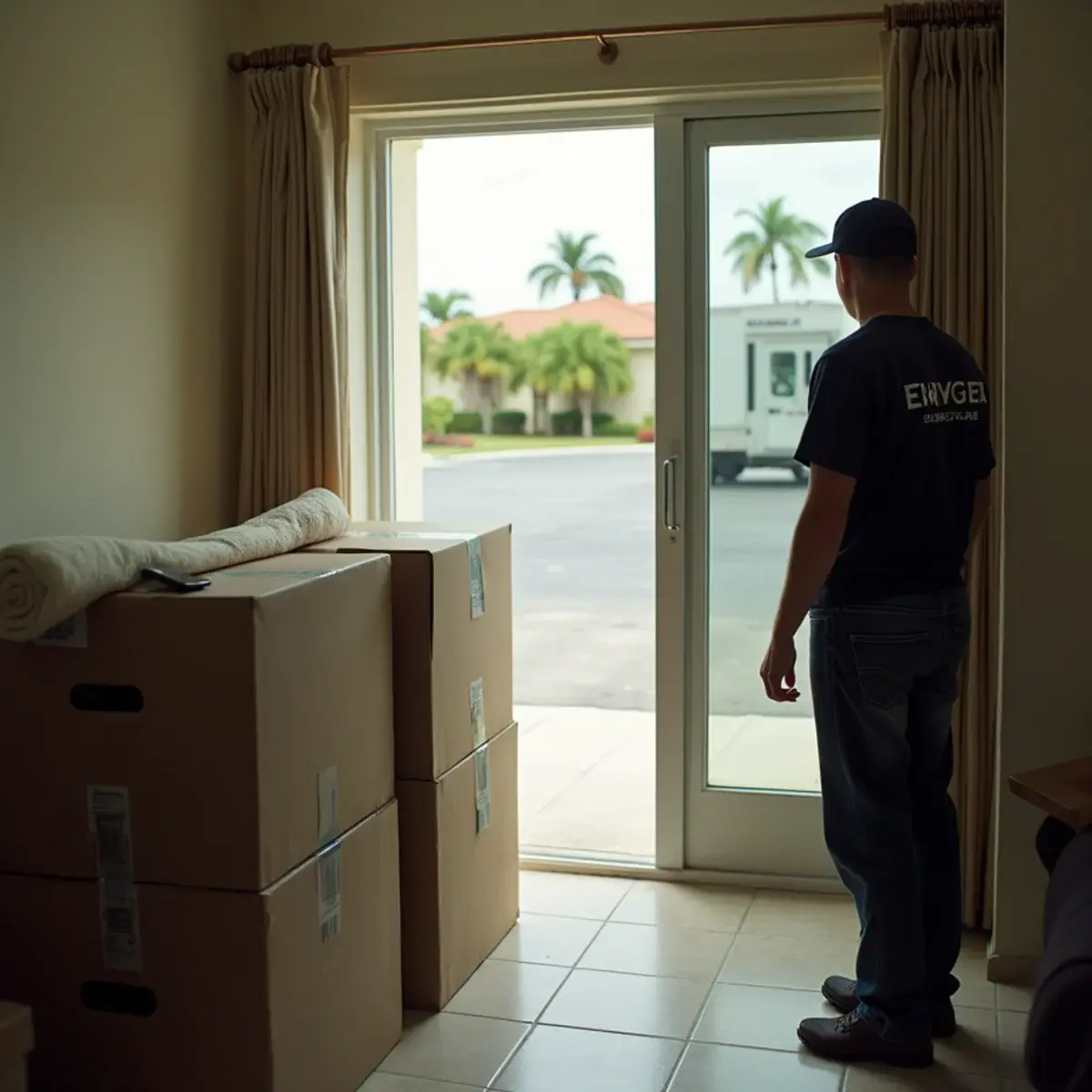
Six months is a long time to avoid moving, and most people do not have that choice anyway. Leases end, closings happen and jobs start on their own schedule. The good news is that the vast majority of days in the season are ordinary hot, humid South Florida days.
What changes in summer is the rhythm of the day:
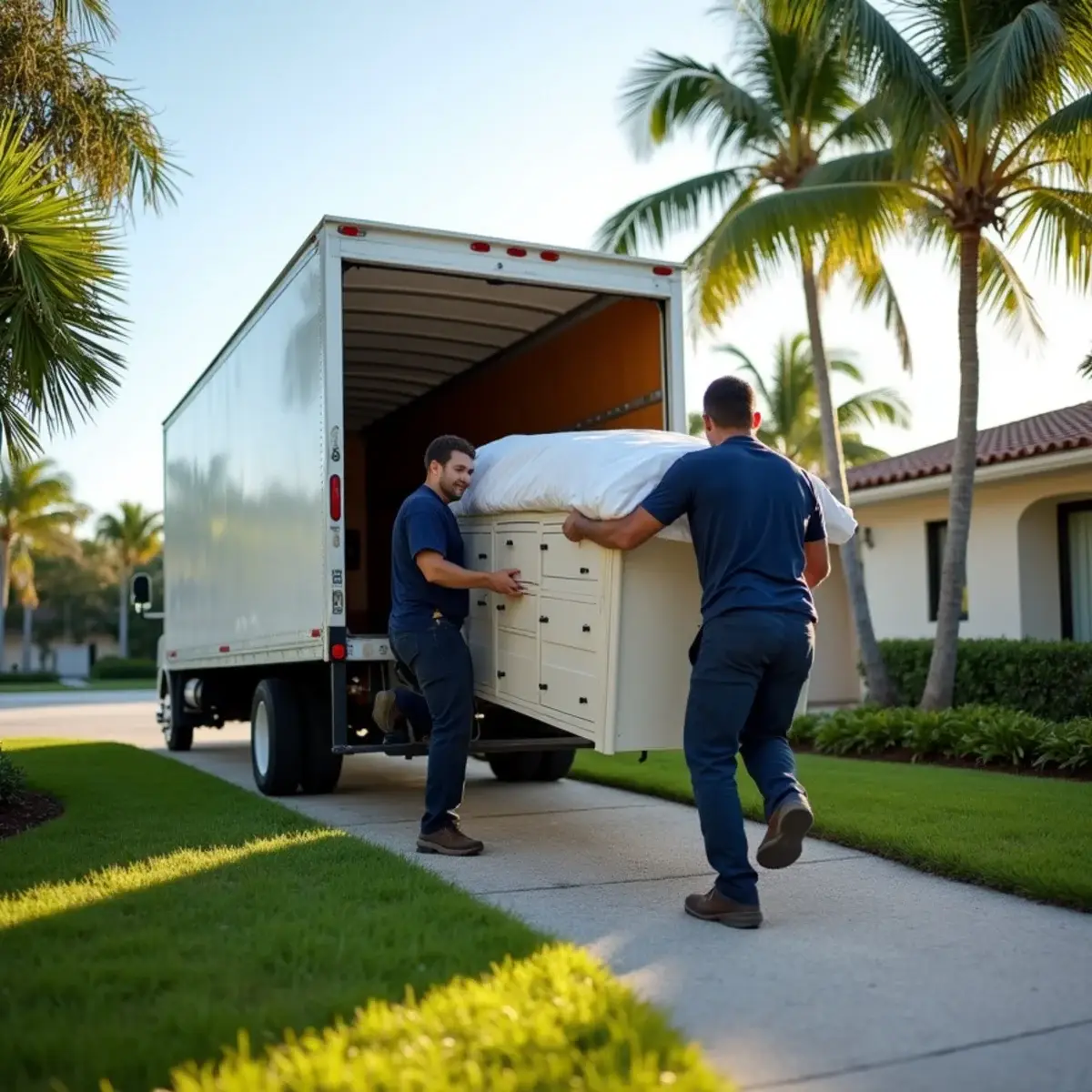
- Mornings are usually drier. Afternoon thunderstorms build over land and often hit after lunch, so early starts help.
- Heat slows crews. Long carries and stairs take longer in high heat and humidity, which can add time to an hourly job.
- Late summer into fall is the busiest stretch for tropical systems, so a move in that window deserves a backup plan.
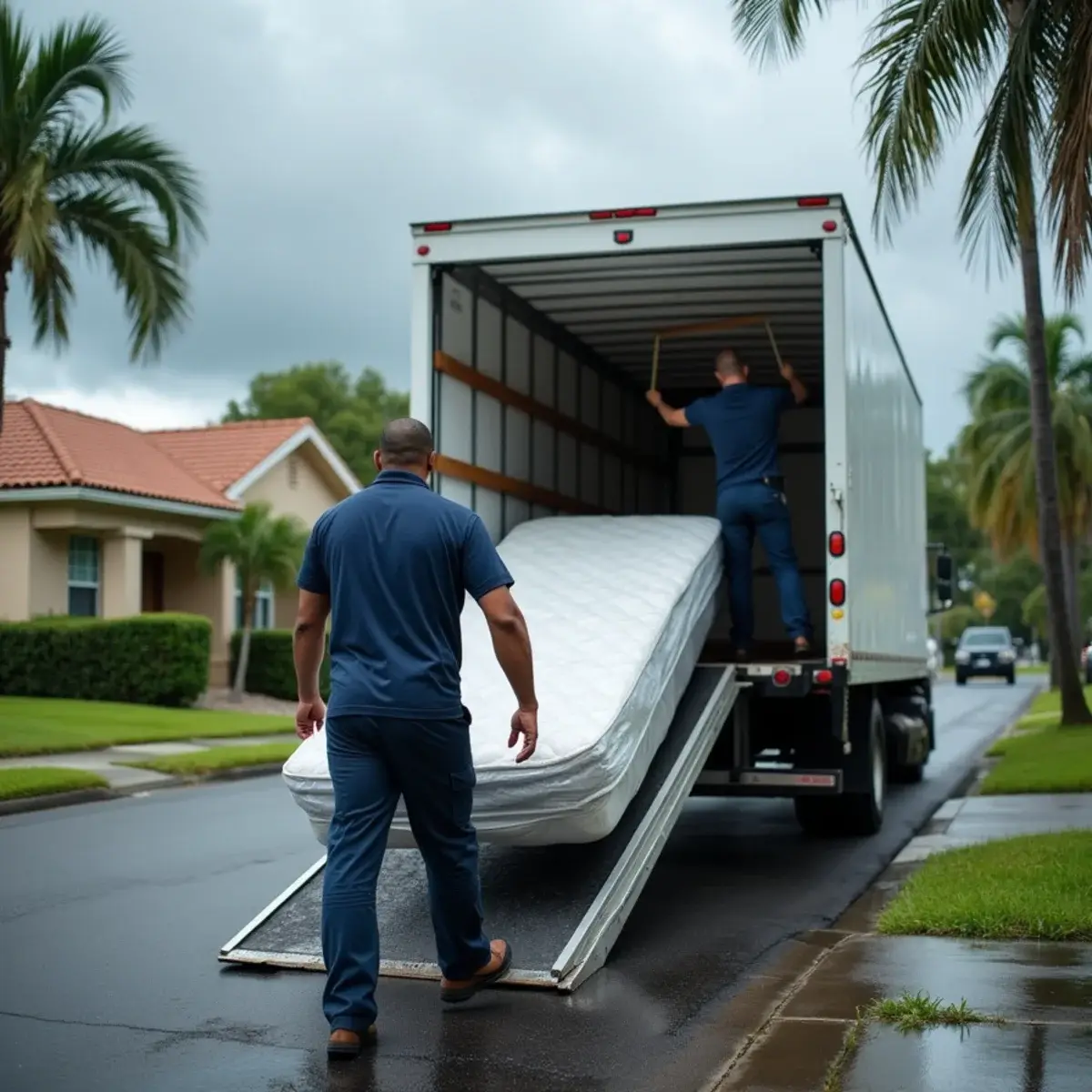
Inland neighborhoods are not exempt from weather trouble either. In places like Wilton Manors, with its river-edged residential streets, a heavy downpour can leave water standing at the curb for a while, which matters when a crew is carrying a mattress from truck to door.
Watches, warnings and when to postpone
When a system is forecast to approach South Florida, check the National Hurricane Center for official advisories rather than social media. Two terms matter most for a moving date.
Watch
A tropical storm watch or hurricane watch means those conditions are possible in the area, typically within 48 hours. This is the moment to call the mover, confirm the plan and agree on a decision time.
Warning
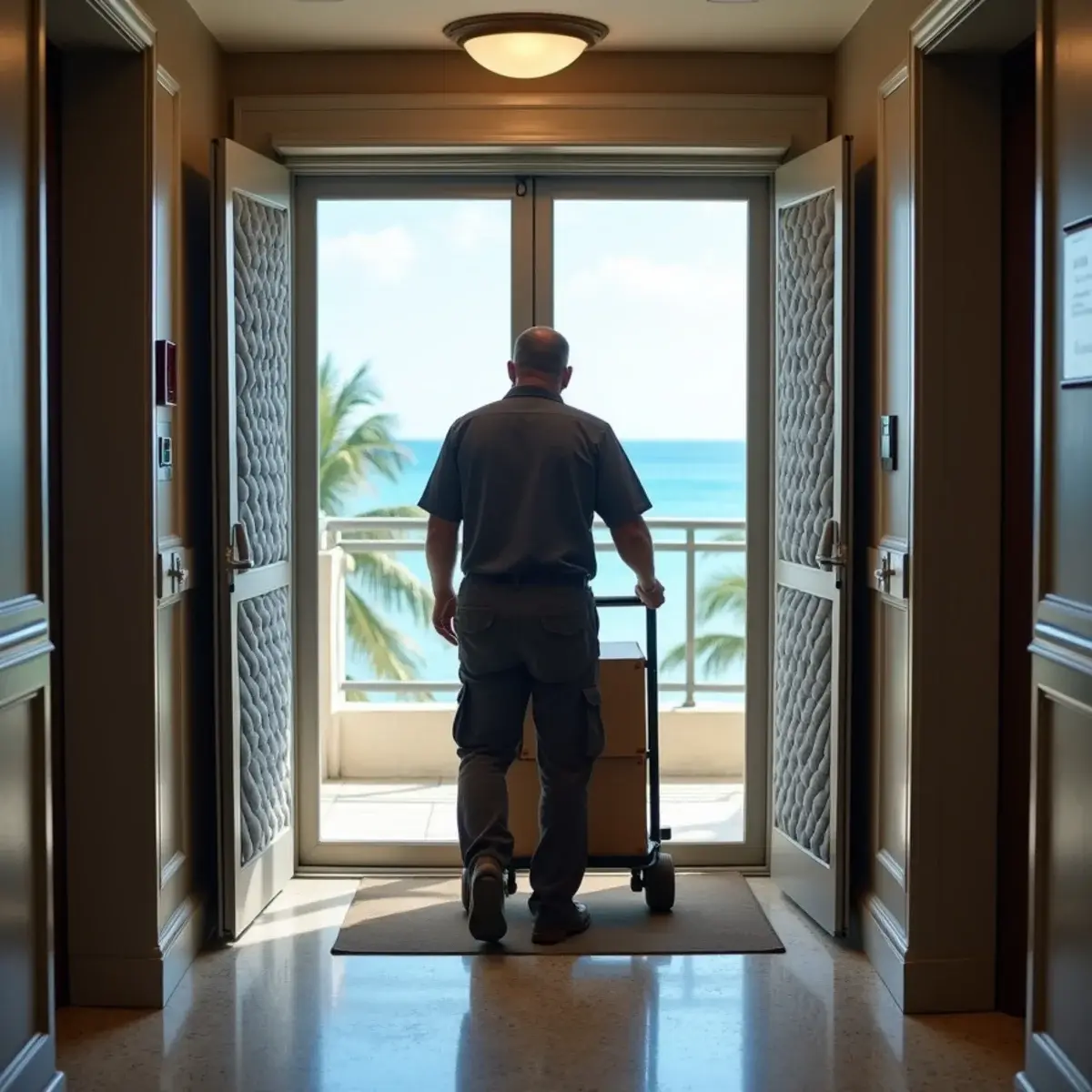
A warning means the conditions are expected, typically within 36 hours. At that point most people, buildings and crews are preparing homes, not loading trucks. Some condo buildings on the barrier island may stop allowing moves once storm preparations begin, and remember that local evacuation orders can change traffic and bridge access.
Reschedule terms to get into the written contract
Florida requires movers doing intrastate moves to give you a written estimate and contract before work begins. That contract, not a phone conversation, is what governs a storm postponement. Before you sign, check that it answers these questions:
- Who can postpone for weather: you, the mover, or both?
- Is any deposit refunded, held or applied to the new date?
- How much notice is needed to move the date without a fee?
- How is the new date chosen, and how soon after the storm is it likely to be?
- What happens if a move is stopped partway, with some of your things already on the truck?
Pompano Go Movers matches you with an independent, registered and insured crew, and that crew's contract sets these terms. We cannot promise a particular reschedule policy, but we can make sure you know to ask. Our local movers page explains how the estimate and contract work for moves within the area.
Keeping furniture and boxes dry in afternoon storms
A pop-up storm is the more likely threat, and it usually lasts less than an hour. Good crews treat rain as part of the job.
- Wrap soft goods. Mattresses go in plastic bags; upholstered pieces get pads plus stretch wrap.
- Use sturdy, taped boxes. Fresh boxes hold up better in humidity than reused grocery cartons.
- Stage under cover. A carport, garage or building overhang near the truck is the best place to hold items during a downpour.
- Protect the floors. Runners or old towels at both doors keep wet shoes off tile and wood.
- Pause when it pours. Waiting out a heavy cell is usually smarter than racing through it.
- Never pack damp items. Towels, beach gear and outdoor cushions should be dry before boxing, or they can mildew in a closed truck.
If you would rather not handle the wrapping, ask about having the crew do it as part of packing services. It costs time, but it is the best protection against water marks on wood and soaked cardboard.
If a storm forces a last-minute change
After a storm passes, the original date may not work for reasons nobody planned: power outages that take elevators offline, debris on the street, a crew still stuck elsewhere. Sometimes the first mover cannot make the new date at all.
If that happens, you have options. Our guide to what to do when movers cancel or never show up walks through the first 24 hours, and our last-minute movers service is built for exactly these short-notice calls. Availability right after a storm depends on demand, so call as soon as you know you need help.
From the coordinator's desk
How a storm week actually plays out on our side
The storm day itself is rarely the hard part. The trouble is the week around it. Buildings stop moves while they put up shutters and secure the pool deck. Crews take time to secure their own homes. Then everyone who postponed wants the same few days once the roads clear, so the new date can land later than you expect.
What we tell people with a date in August, September or October:
- Do not load the night before a watch turns into a warning. Furniture sitting on a truck overnight while a system approaches is the worst version of this move. Ask the mover whether it would load and deliver the same day, and plan for that.
- Leave a buffer day if your lease or closing allows it. One overlapping day between leaving and arriving absorbs a postponement without a hotel night.
- Charge phones and a power bank the night before. If a squall line knocks out power, you still need to reach the crew lead and the building's front desk.
What to skip: buying heavy plastic bins for the whole house. For a local move across a few miles, sturdy new cartons, mattress bags and a covered spot to stage them handle ordinary rain. Bins earn their place for documents, photos and anything that cannot get damp.
Frequently asked questions
Is it a bad idea to move during hurricane season in Florida?
No. Many South Florida moves happen between June and November because that is when leases end and sales close. Most days in the season bring heat and afternoon showers rather than tropical storms. The smart approach is to start early in the day, protect soft goods from rain, keep an eye on the National Hurricane Center during the week of your move, and have postponement terms in your written contract.
Will movers work in the rain?
Usually, yes. Ordinary rain is part of moving in South Florida, and crews protect furniture with pads, plastic and stretch wrap and stage items under cover. A heavy thunderstorm with lightning is different, and most crews will pause until it passes. Tropical storm or hurricane conditions are a reason to postpone, which is why it pays to agree on weather terms before move day.
Can I get a refund if my move is cancelled because of a hurricane?
That depends on the terms in your mover's written contract, so read them before you sign. Some movers move the deposit to a new date, some refund it, and the notice required can vary. Ask the mover to explain in writing what happens if either side postpones for weather, and keep a copy of that page with the rest of your move paperwork.
Does the mover's valuation coverage pay for storm or flood damage?
Not automatically. Valuation is the mover's liability under its own contract, and many contracts limit or exclude damage from severe weather and other events outside the crew's control. Ask the mover, in writing, how the contract treats wind and water damage while your goods are on the truck or in storage. Then check your homeowner's or renter's policy, because some policies stop covering belongings once they leave the home.
When is the best time to move during hurricane season?
Early June and late November have historically seen fewer storms than the peak, which generally runs from mid-August through mid-October. Within any week, mornings are usually the driest part of the day. A move in the peak months is still very doable; it just deserves a backup date, a decision deadline agreed with the mover and a daily look at the National Hurricane Center outlook in the days before you load.
The bottom line
A hurricane-season move needs two plans: one for the ordinary afternoon storm and one for the rare named system. With an early start, good wrapping and clear reschedule terms in writing, most summer and fall moves on the Broward coast go ahead as booked.
If your move falls between June and November, call Pompano Go Movers at (831) 293-1195. We will match you with a registered, insured local crew and help you ask the right weather questions before you sign.